
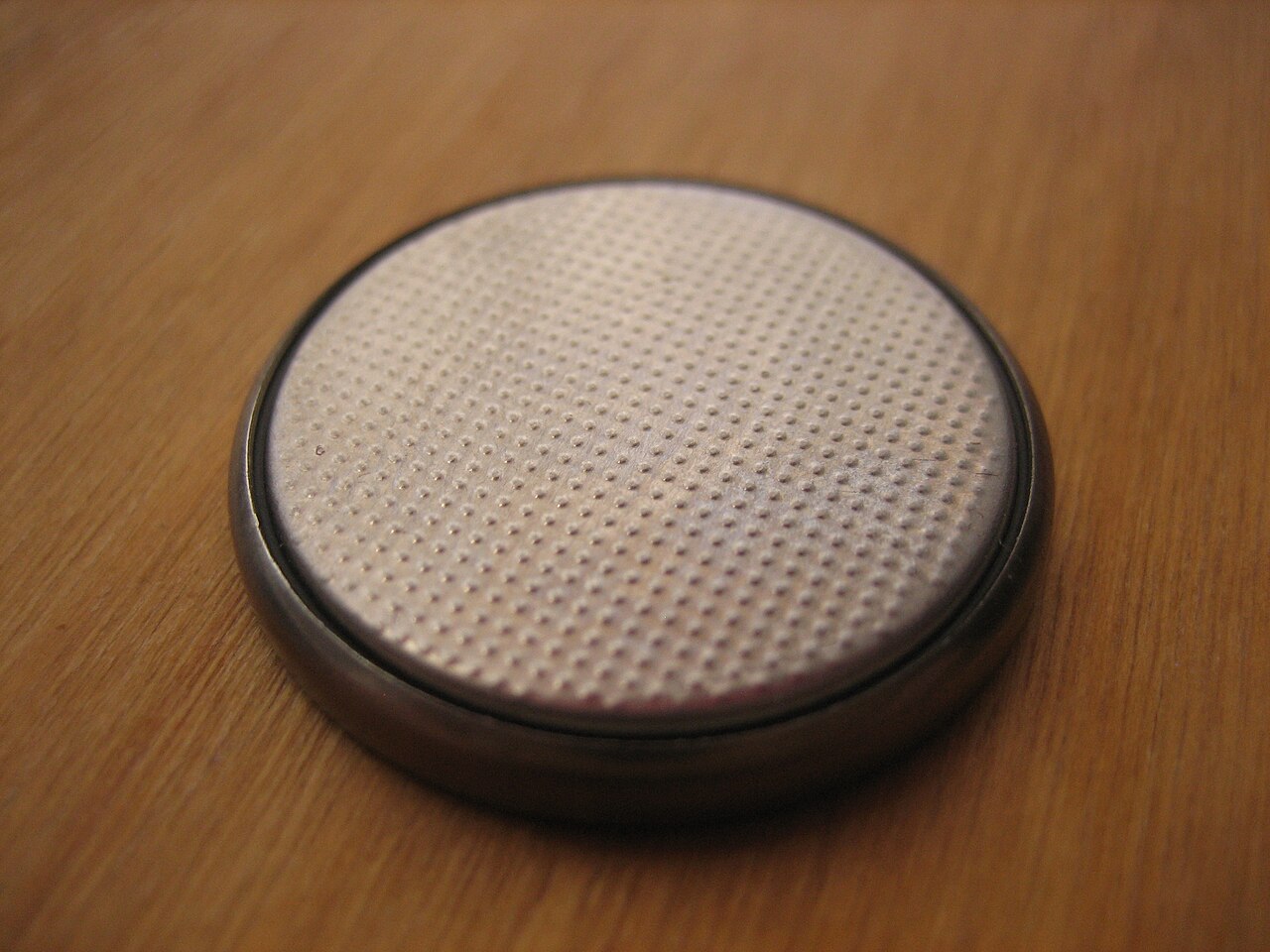
Small, shiny batteries power many items in your home and can seriously injure a child within hours of being swallowed. Here is what the risks are and the steps to take before and after a suspected ingestion.
What to remember
- More than 3,500 people of all ages swallow button batteries in the United States every year, and a battery stuck in the esophagus can burn tissue in as little as two hours.
- If you suspect a child swallowed a battery, call the National Battery Ingestion Hotline at 800-498-8666 or Poison Help at 800-222-1222 right away.
- For children 12 months and older, the National Capital Poison Center recommends 10 mL of honey every 10 minutes on the way to the ER if the battery was swallowed within 12 hours, up to six doses.
- Buy products with screw-secured battery compartments, store spare batteries in locked containers, and tape dead batteries all the way around before recycling them.
- Reese’s Law, enacted in 2022, requires child-resistant battery compartments and warning labels on products containing button cell or coin batteries.
Button batteries are flat, shiny and about the size of a pill, which makes them fascinating to toddlers and easy to swallow. They power everyday items around your house, and the CPSC links them to thousands of emergency department visits every year. A few simple habits around storage, product choices and disposal remove most of the risk.
Why Button Batteries Are So Dangerous to Children
When a coin or button battery gets stuck in the esophagus, saliva triggers an electrical current around the battery. That current produces a chemical that burns tissue, and the burn can start in as little as two hours. Serious injuries can include a hole in the esophagus, vocal cord paralysis or erosion into the airway or major blood vessels.
The battery does not need to be fully charged to hurt a child. A spent battery that no longer runs a device usually still carries enough residual charge to cause a burn if swallowed or pushed into a nose or ear.
Common Household Items That Use Coin Batteries
These batteries hide in more places than most parents expect. Check your home for:
- remote controls and key fobs
- watches and calculators
- musical and light-up greeting cards
- flashing jewelry and light-up shoes
- toys and games
- hearing aids
- thermometers, kitchen scales and other small electronics
Federal rules keep kids out of these compartments. Toys with button cell or coin batteries must have a secure closure that needs a screwdriver, coin or tool to open. A separate rule under Reese’s Law, enacted in 2022, requires battery compartments in other consumer products to need a tool or two independent and simultaneous hand movements to open. It applies to products made or imported on or after October 23, 2023. Older items and cheap imports may not follow those rules, so check every compartment yourself. If a compartment is damaged or opens too easily, repair, secure or replace the product.
Toys with easy-to-open battery compartments have been recalled for this reason. Check what you already own against the recall process and what to do when something you own is recalled.
Warning Signs That a Child Swallowed a Battery
Symptoms can be mild at first and easy to mistake for something else. Watch for:
- a sudden onset of crying
- a sore throat, trouble swallowing or refusal to eat
- a new or unexplained cough
- vomiting, fever or abdominal pain
Some children show no symptoms, so do not wait for signs of distress if you suspect a swallowing. Batteries do not only go down. A child can push one into a nose or ear, and the same burning damage can happen there.
What to Do in the First Minutes After a Swallowing Incident
- Call for guidance immediately. Call the National Battery Ingestion Hotline at 800-498-8666 or Poison Help at 800-222-1222, even if you are not sure a battery was swallowed.
- Plan to go to the emergency room. An x-ray shows where the battery is; one stuck in the esophagus must be removed quickly, and one that has reached the stomach can often pass on its own.
- Give honey if it applies. For children 12 months and older who swallowed a battery within the past 12 hours, the National Capital Poison Center recommends 10 mL of honey every 10 minutes on the way to the hospital, up to six doses. Never delay the trip, and never give honey to a child under 12 months.
- Nothing else by mouth. Other than honey, the child should not eat or drink until an x-ray shows the battery has passed the esophagus.
- Bring the packaging or a matching battery. The identification number helps medical staff identify the battery type and size.
Safety alert: Do not wait for symptoms before acting. Some children show none, and a battery stuck in the esophagus can cause severe damage in two hours.
How to Secure and Store Button Batteries at Home
A study of battery injuries found that nearly 30 percent of button battery ingestions involved batteries that were discarded or sitting out. Prevention comes down to a few habits:
- Store spare batteries in a locked or high container, out of reach of children.
- Buy single-battery packages when you can, and buy only what you need.
- Do not change batteries in front of children.
- Check that every battery compartment in your home closes securely.
- Never let children handle button or coin batteries, and never put one in your own mouth. Adults have swallowed batteries mistaken for pills, so look at any pill before taking it.
Age-appropriate toy choices matter here too. See how to match toys to your child’s age before handing over anything with lights or sounds.
Safe Disposal of Used Batteries
Get dead batteries out of circulation the moment you remove them. Tape the terminals or wrap the whole battery in non-conductive tape, such as electrical tape, going around it twice. Then take it to a battery-collection or recycling center and follow your local household hazardous waste procedures.
Taping does not interfere with recycling and stops a loose battery from conducting electricity against metal or another battery in a drawer.
Securing batteries pairs well with our guide to preventing furniture and TV tip-overs.
Parents also ask
How fast can a swallowed button battery cause injury?
A battery stuck in the esophagus can generate an electrical current that burns tissue in as little as two hours. That is why you should seek medical help immediately rather than waiting to see whether symptoms appear.
Should I make my child vomit after a suspected swallowing?
No. Call the National Battery Ingestion Hotline at 800-498-8666 or Poison Help at 800-222-1222 for instructions. Other than honey for children 12 months and older when the swallowing happened within the past 12 hours, the child should not eat or drink until an x-ray shows the battery has passed the esophagus.
Are dead batteries still dangerous?
Yes. A spent battery may not have enough charge left to power a device, but it usually has enough charge to cause a burn if swallowed or stuck in a nose or ear. Tape it and get it out of the house promptly.
What should I look for when buying toys and gadgets with coin batteries?
Choose products whose battery compartments need a screwdriver, coin or other tool to open. Toys sold in the United States are required to have a secure closure, and a federal rule covering other products took effect for items made or imported on or after October 23, 2023.
This guide is general information for U.S. shoppers, not legal advice. Safety rules and store policies change, so follow the product’s instructions and labels and check official sources such as CPSC.gov, NHTSA.gov and FTC.gov.